


Urine Examination & Culture
£44.00
Urine Examination & Culture Test in London
The Urine Examination & Culture test is a comprehensive laboratory assessment used to evaluate urinary tract and kidney health. By analysing the physical, chemical, and microscopic properties of urine and culturing any microorganisms present, this test helps detect urinary tract infections (UTIs), identify the bacteria or fungi responsible, and support the diagnosis of urinary and renal conditions. Ideal for individuals experiencing symptoms such as painful urination, frequent urination, pelvic discomfort, or suspected infection, this test is available at Medical Diagnosis Victoria (MDX Victoria) in London, with results typically available within 5 days.
Urine Examination & Culture
Urine examination and culture involve testing a urine sample for its physical, chemical, and microscopic properties, and growing any microorganisms present. This combined testing is used to investigate urinary tract health, detect infections, and identify the specific bacteria or fungi causing an infection. Results support laboratory assessment and clinical evaluation of urinary and renal conditions, and help guide further management.
📊 Test Specifications




Why Choose This Test?
Symptom Investigation
This profile provides essential clarity if you are experiencing the following:
- Pain or burning during urination
- Frequent or urgent need to urinate
- Cloudy, dark, or strong-smelling urine
- Suspected kidney or bladder infections
Comprehensive Biomarkers
The testing goes beyond a basic dipstick check by combining the following methods:
- Physical and chemical property checks
- Detailed microscopic urine analysis
- Accurate bacterial and fungal cultures
- Target organism identification
Actionable Insights
This detailed internal view empowers you to take clear steps:
- Detect complex urinary tract infections
- Identify the specific bacterial strains responsible
- Guide targeted antibiotic treatments
- Monitor overall renal and urogenital health
Schedule Your Urine Examination & Culture
Map your urinary health clearly. Secure an appointment to drop off your sample at our clinical facility today.
What Is Included?
This profile provides a comprehensive evaluation of your sample, combining physical and chemical analysis with microbial cultures.
Urine Examination
Tests the physical, chemical, and microscopic properties of the sample to assess kidney function and detect early signs of infection or metabolic issues.
Checking baseline urinary balance, looking for blood, protein, or inflammatory markers.
Urine Culture
Involves incubating the sample over several days to successfully grow and identify any pathogenic microorganisms causing an active infection.
Providing a definitive diagnosis of a Urinary Tract Infection rather than just relying on symptoms.
Target Organisms
Specifically screens for common uropathogens responsible for urinary tract and kidney infections.
Identifying the precise bacteria or fungi to select the most effective medical treatment.
Understanding the Results Process
The examination phase provides immediate clues about inflammation, blood, or protein in the urine, while the culture definitively identifies the bacteria or fungi causing the problem. Once the specific organism is identified, further sensitivity testing can be performed in the lab to determine the most effective antibiotic or antifungal treatment for your infection. This ensures you receive the correct medication rather than a broad-spectrum guess.
Your Collection Process
A midstream urine sample is required for this examination. Please ensure proper hygiene before collection. A first morning sample is highly preferred for the most accurate laboratory results. You will be provided with a sterile container, and a minimal urine volume of 10mL is necessary. Once collected, you can securely drop off your sample at Medical Diagnosis Victoria.
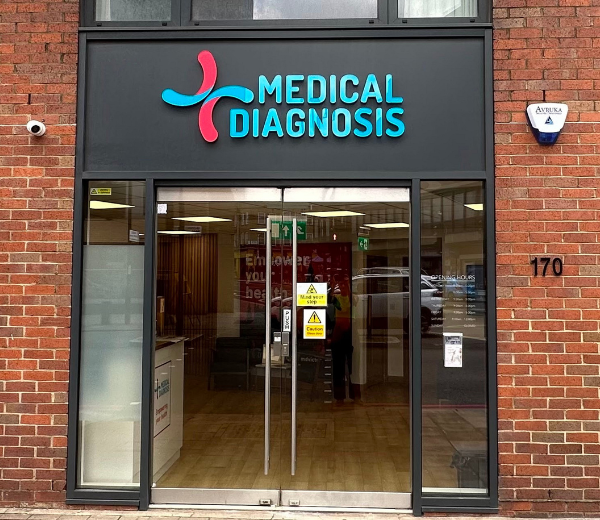
How To Read Your Laboratory Results
Your results will list your examination values and outline any microbial growth found during the culture phase. Important: A single out-of-range value does not automatically indicate a severe medical problem, but positive bacterial growth usually requires treatment. Results must be assessed in conjunction with your medical history and clinical examination.
Results Timeline: Complete profile metrics are typically available within 5 days, as the cultures need adequate time to grow. Once ready, they will be securely shared with you.

Need Help? Private GP Consultations
If you have questions about your urine test results or if a bacterial infection is detected, we offer Private GP consultations. A doctor can review your report, explain what the organisms mean for your urogenital health, and prescribe the appropriate antibiotics if necessary.
Frequently Asked Questions
Most Searched Online Questions About Urinary Health
Related Health Categories
Ready to Check Your Urinary Health?
Take immediate control of your health pathway today. Arrange a precise, comprehensive Urine Examination & Culture at our premium clinic spaces.