
Allergy profile VIII (20) Inhalation
£95.00
Allergy Profile VIII (Inhalation) – Allergy Screening Blood Test in London
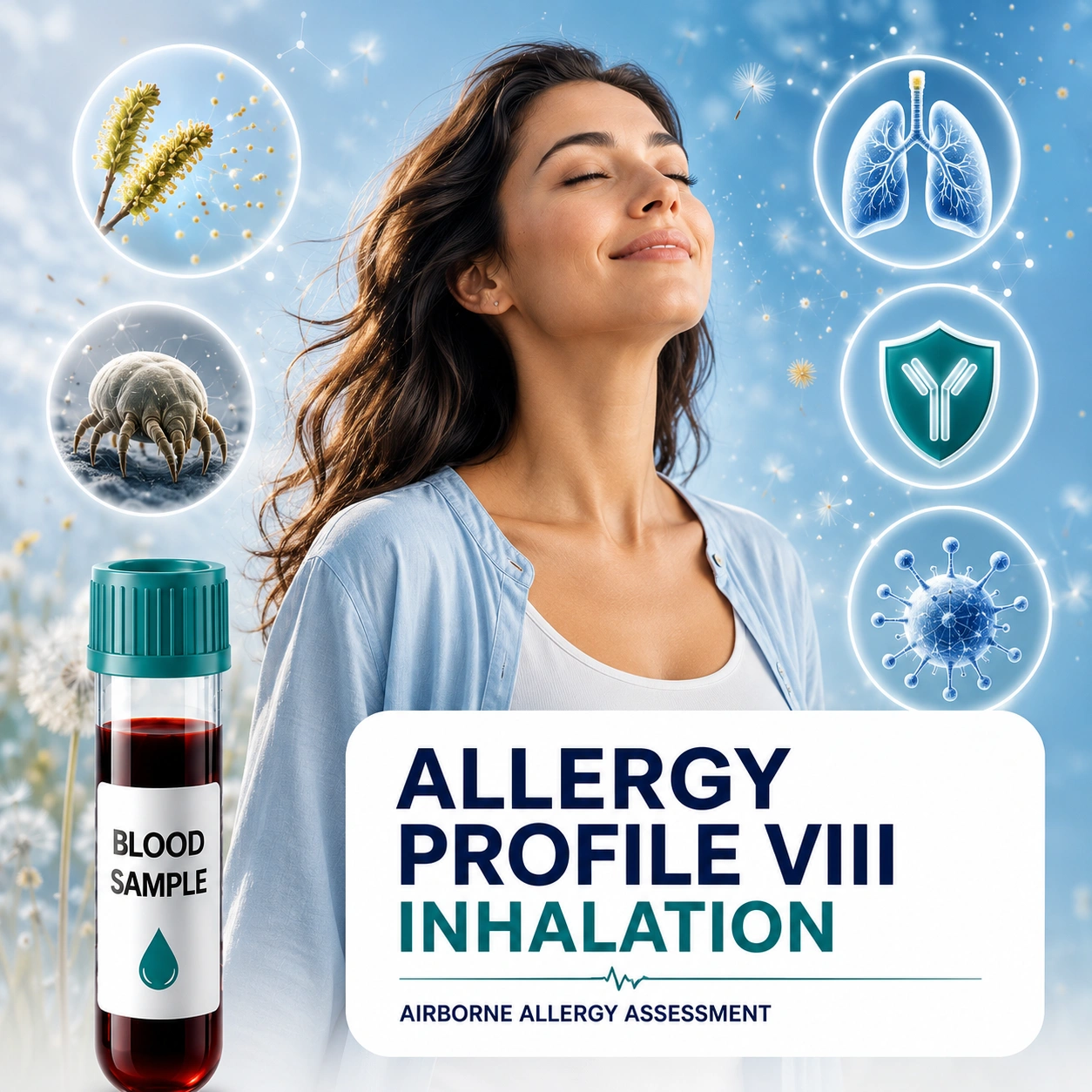
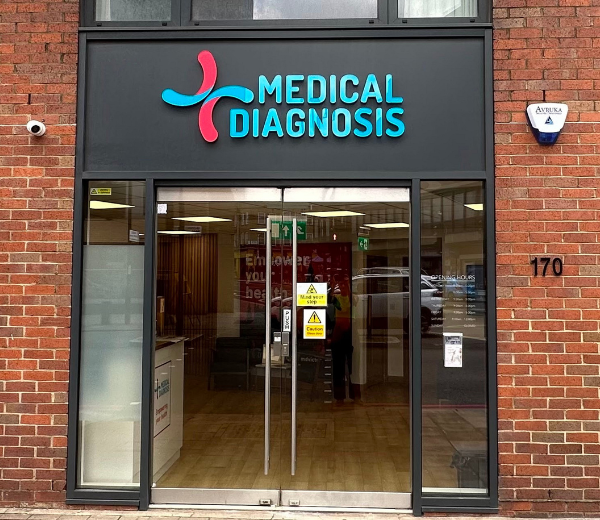
The Allergy Profile VIII (Inhalation) is a specialised blood test designed to identify allergic sensitivities to common airborne allergens that may trigger respiratory symptoms and allergic reactions. This profile helps assess immune responses to inhaled allergens such as pollen, dust mites, moulds, and other environmental triggers associated with asthma, hay fever, sneezing, wheezing, coughing, nasal congestion, and itchy eyes. Ideal for individuals experiencing suspected environmental allergies or respiratory symptoms, this test supports accurate diagnosis and targeted allergy management. Available at Medical Diagnosis Victoria (MDX Victoria) in London, with results typically available within 5 days.
Allergy Profile VIII (Inhalation)
Atmospheric pollution as well as naturally existing allergens in susceptible individuals may cause respiratory issues such as asthma, through an overreactive immune response. The Allergy Profile VIII (Inhalation) helps you diagnose the specific airborne substances responsible for your symptoms, supporting targeted management and clinical care.
📊 Test Specifications




Why Consider The Allergy Profile VIII?
Respiratory Focus
This inhalation profile targets the specific airborne allergens that drive respiratory distress:
- Chronic or recurring hay fever symptoms
- Suspected seasonal asthma triggers
- Difficulty breathing in specific environments
- Identifying indoor pet or mould sensitivities
Pollens & Environments
Naturally occurring outdoor and indoor particulates are frequent offenders for airway sensitivity:
- Pollen Seasonality: Birch, Hazel, Oak, and various grasses
- Indoor Micro-organisms: House dust mites and common moulds
- Animal Epithelium: Pet dander from diverse domestic animals
- Atmospheric Factors: Interaction with existing pollution
Why Testing Is Helpful
Mapping your inhalation triggers provides several benefits:
- Pinpoint exact environmental sensitivities
- Reduce reliance on non-specific medications
- Support GP-led asthma or rhinitis plans
- Proactive management for peak pollen seasons
Schedule Your Inhalation Screening
Identify the airborne particles causing your symptoms. Secure an appointment for a professional blood collection today.
Included Inhalation Allergens
This profile includes an extensive list of 20 markers, focusing on common pollens, dander, dust, and mould spores to provide a clear picture of your respiratory triggers.
Pollen & Dander List
Core botanical and animal dander components mapped to investigate early seasonal sensitivities.
Helps differentiate tree and grass pollen patterns from typical indoor triggers.
Moulds, Dust & Small Pets
Perennial indoor markers linked directly with household flareups and respiratory strain.
Essential targets for investigating environmental dampness or home allergen loads.
Additional Markers
Broad spectrum markers evaluating complex wild weeds and distinctive mammalian profiles.
Captures broad agricultural weed variables alongside specific cross-reactive carbohydrate parameters.
Cross-Reactive Carbohydrate Determinants (CCD)
The K-202 marker is included to identify potential cross-reactivity, ensuring higher accuracy in interpreting true clinical allergy findings.
How To Read Your Laboratory Results
Your report will show your IgE antibody levels for each allergen, helping identify whether a result is negative, low, moderate, or high. Higher IgE levels may suggest sensitisation to a particular substance. However, a positive result does not always mean you will experience clinical symptoms, which is why your medical history and professional interpretation remain key. Results should be considered alongside your symptoms and exposure patterns.
Results Timeline: Metrics are typically available within 5 days.
Can I see a GP to discuss my results?
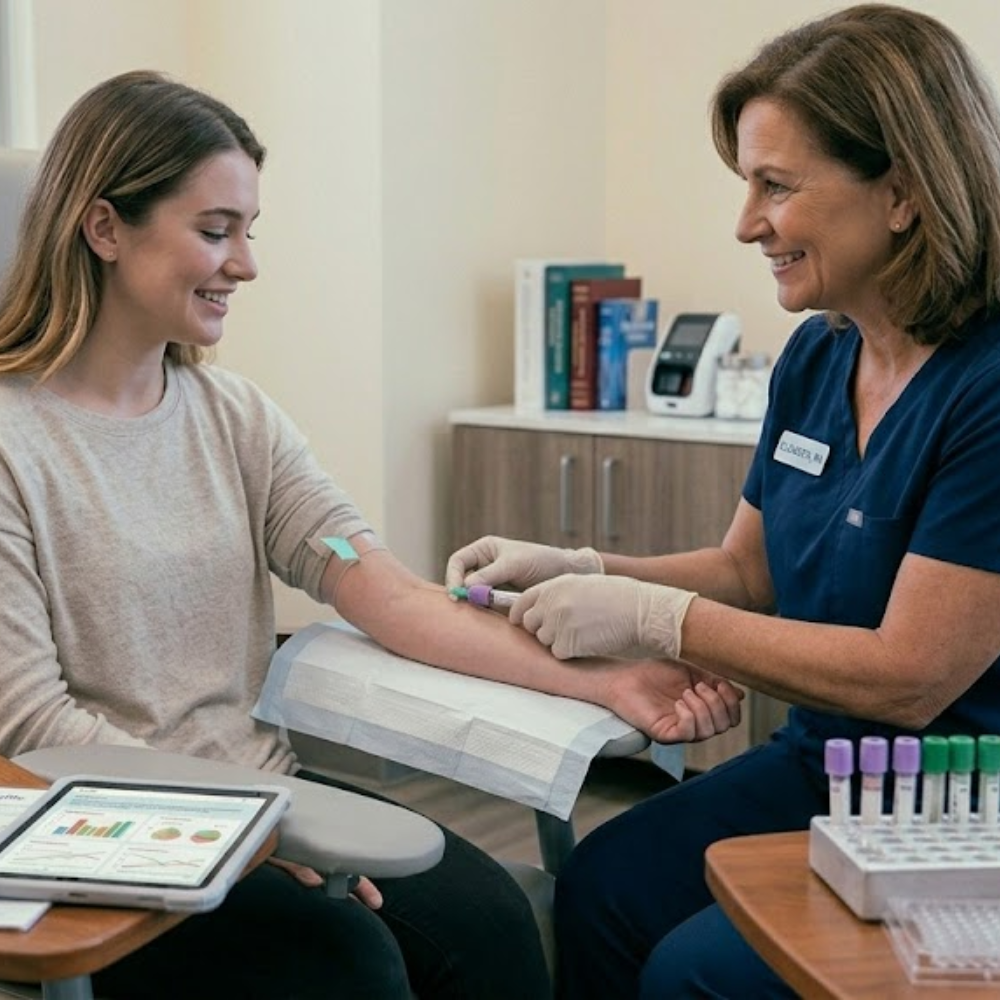
If you would like help understanding your results, consultation options are fully available. A healthcare professional can help explain your inhalation profile, discuss possible environmental triggers, review symptoms, and recommend structured lifestyle adjustments. Where appropriate, access to a Private GP is available to discuss specific treatment options if clinically suitable.
Frequently Asked Questions
Most Searched Online Questions About Allergies
Related Health Categories
Ready to Isolate Your Triggers?
Take immediate control of your lifestyle pathway today. Arrange a precise, irritation-free Allergy Profile VIII screening matrix at our premium clinic spaces.