


Allergy profile IX (20) Food
£99.00
Allergy Profile IX (Food) – Allegry Screening Blood Test in London
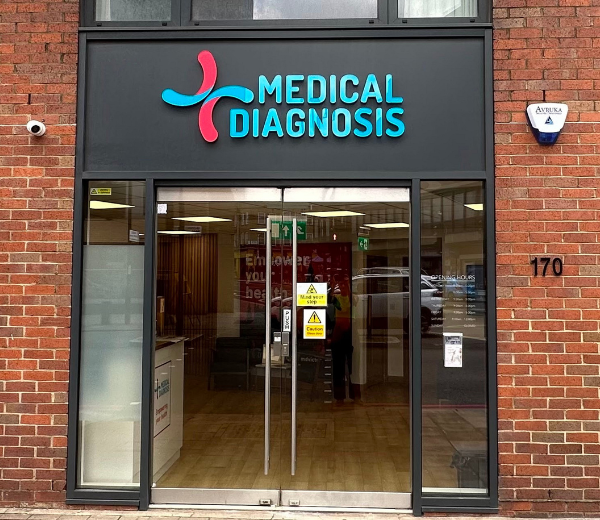
The Allergy Profile IX (Food) is a specialised food allergy blood test designed to assess immune responses to 20 common dietary allergens and a key cross-reactive marker. This comprehensive profile helps identify food-related triggers that may contribute to symptoms such as digestive discomfort, bloating, skin reactions, eczema, itching, and other allergy-related concerns. Ideal for individuals with suspected food allergies or unexplained symptoms linked to diet, this test provides valuable insights to support accurate diagnosis and personalised dietary management. Available at Medical Diagnosis Victoria (MDX Victoria) in London, with results typically available within 5 days.
Allergy Profile IX (Food)
This specialised diagnostic tool evaluates immune system overreactions to common dietary substances. By testing for 20 specific food allergens plus a crucial cross-reactive marker, this profile helps identify the dietary components that may be contributing to your digestive or skin health concerns.
📊 Test Specifications




Why Consider The Allergy Profile IX (Food)?
Digestive Comfort
This focused profile is essential for investigating symptoms that arise after meal times:
- Unexplained abdominal pain or bloating
- Nausea, diarrhoea, or digestive irregularities
- Tingling or itching sensations in the mouth
- Chronic discomfort associated with staple food groups
Immune System Insight
Food allergies occur when your immune system misidentifies specific food proteins as hazardous. This profile measures:
- Specific IgE antibodies: Triggered by common food proteins
- Cross-reactivity: Using the K-202 CCD marker
- Sensitisation status: Across dairy, grains, nuts, and produce
- Skin/Systemic responses: Linked to dietary intake
Clinical Clarity
This profile provides a foundational data set for managing food-related immune responses:
- Identify whether symptoms stem from immune pathways
- Reduce uncertainty in your dietary management
- Support skin health through targeted avoidance
- Provide concrete lab data for your doctor
Secure Your Food Allergy Profile
Begin your journey toward clearer health. Book a blood draw today to map your food-based immune markers.
What Foods Are Included?
The Allergy Profile IX tests for 20 specific food proteins and includes a cross-reactive marker.
Food Panel Markers
This panel includes common staples often linked to dietary allergies:
Nuts, Seeds & Produce
Evaluates key allergen protein markers found in common nut and vegetable varieties:
Proteins & Additional Markers
Includes further protein triggers and a specialised cross-reactivity marker for accuracy.
What Happens During Your Appointment?
Your visit is simple and usually takes only a few minutes. A healthcare professional will confirm your details and explain the testing process. A small blood sample will be taken from your arm, and the sample is sent to the laboratory for analysis. You can return to normal daily activities immediately afterwards. No fasting is required for this profile.
How To Read Your Laboratory Results
Your report will show the allergens tested and your IgE antibody levels. Higher IgE levels may suggest sensitisation to a particular allergen. However, a positive result does not always mean you will experience symptoms, which is why clinical interpretation is important. Your results should always be considered alongside your symptoms, medical history, timing of reactions, and exposure patterns.
Results Timeline: Metrics are typically available within 5 days.

Can I see a GP to discuss my results?
If you would like help understanding your results, consultation options are fully available. A healthcare professional can help explain your allergy profile, discuss possible triggers, review symptoms, and recommend structured lifestyle adjustments. Where appropriate, access to a Private GP is available to discuss specific treatment options or prescribe medication if clinically suitable.
Frequently Asked Questions
Most Searched Online Questions About Food Allergies
Related Health Categories
Ready to Isolate Your Triggers?
Take immediate control of your diet and lifestyle today. Arrange a precise, irritation-free Allergy Profile IX screening matrix at our premium clinic spaces.