
Allergy profile VII (30) Paediatric
£145.00
Allergy Profile VII (Paediatric) – Allergy Screening Blood Test in London
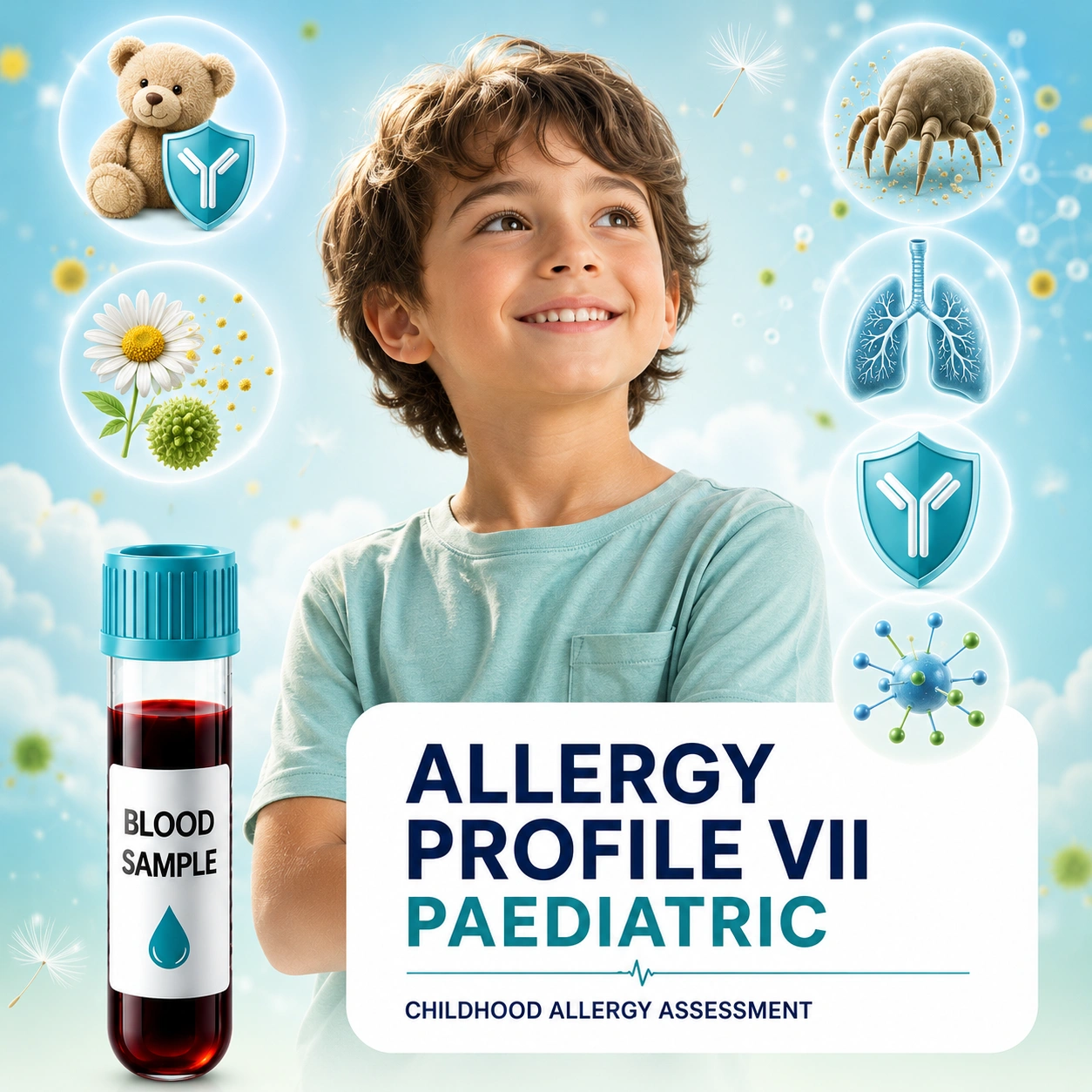
The Allergy Profile VII (Paediatric) is a specialised allergy blood test designed to assess allergic sensitivities in children and support the early identification of common paediatric allergens. By measuring immune responses associated with allergic conditions, this profile helps investigate symptoms such as eczema, asthma, wheezing, allergic rhinitis, skin reactions, digestive discomfort, and recurrent allergy-related symptoms. Early detection of specific allergen sensitivities can support more effective management and improve long-term health outcomes. Available at Medical Diagnosis Victoria (MDX Victoria) in London, with results typically available within 5 days.
Allergy Profile VII (Paediatric)
The Allergy Profile VII (Paediatric) is a specialised diagnostic tool designed to address the unique immunological needs of children. Excessive production of allergens in young children can lead to serious, chronic health issues. This profile helps detect specific allergen overproduction early, providing a foundation for effective care.
📊 Test Specifications




Why Testing for Children Is Vital
Early Detection Matters
Young children may struggle to articulate symptoms. This profile acts as an early warning system to identify:
- Underlying immune sensitivities
- Potential causes for chronic skin issues
- Reasons for recurring respiratory distress
- Hidden dietary triggers affecting development
Immune System Development
Understanding a child’s IgE profile is vital as their immune system matures, helping to identify reactions to:
- Environmental Allergens: Dust, dander, and pollen
- Common Dietary Staples: Milk, egg, and soy
- Fungal Exposure: Indoor and outdoor moulds
- Common Proteins: Nuts and animal epithelia
Precision Care
Knowledge is the most effective tool in paediatric care. Our 30-allergen panel helps you:
- Remove doubt from complex health scenarios
- Implement targeted avoidance to reduce symptoms
- Provide accurate history to your paediatrician
- Proactively manage your child’s wellbeing
Schedule Your Paediatric Profile
Protect your child’s health with our 30-allergen paediatric screening panel. Book a gentle, professional blood draw with our dedicated clinical team.
What Allergens Are Included?
The Paediatric Profile VII tests for 30 critical markers, chosen for their prevalence and clinical significance in childhood allergies.
Food & Nutrition
Identifies baseline dietary proteins often linked to early life hypersensitivity.
Pollen & Environment
Tracks common airborne micro-particles that trigger upper respiratory responses.
Animals & Other Factors
Evaluates common domestic dander patterns and cross-reactive carbohydrate determinants.
Complete Diagnostic Layout
The Paediatric Profile VII provides a comprehensive assessment, ensuring all major environmental, food, and animal protein sensitivities are accounted for in one clear report, aiding paediatric clinical management.
Interpreting Your Child’s Results
Your report will outline tested allergens, detected IgE levels, and whether a reaction falls into negative, low, moderate, or high bands. It is important to note that elevated IgE antibodies indicate sensitisation, but this must be correlated with your child’s medical history and current symptoms by a clinical professional.
Results Timeline: Reports are typically generated within 5 days and securely shared.
Can I discuss results with a GP?
Yes. After receiving your results, you may wish to discuss the findings with a doctor to clarify the clinical relevance and explore potential management strategies for your child. Our private GP services are available to provide in-depth support and ensure you have a clear plan for your child’s health.
What Happens During Your Appointment?
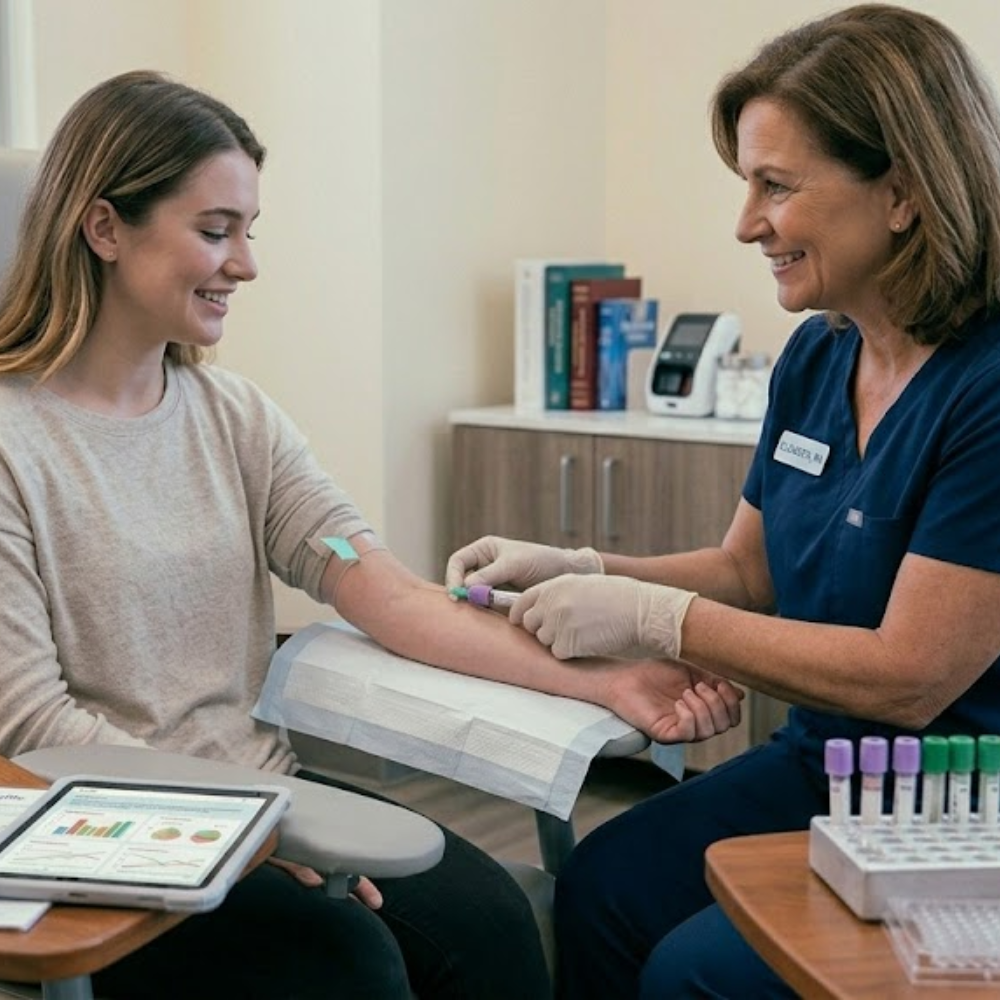
Our staff are experienced in making the process comfortable for children. During your visit, we will confirm your details, answer any questions, and collect a small, gentle blood sample. This sample is then processed in our laboratory for comprehensive molecular analysis. Most children are back to their daily routine in minutes. No special preparation or fasting is required for this paediatric assessment.
Frequently Asked Questions
Common Paediatric Allergy Queries
Related Health Categories
Ready for Comprehensive Insights?
Take charge of your child’s health today. Arrange your Paediatric Allergy Profile VII screening to map your unique sensitivities precisely.