
Gastrointestinal Screen – Viruses
£76.00
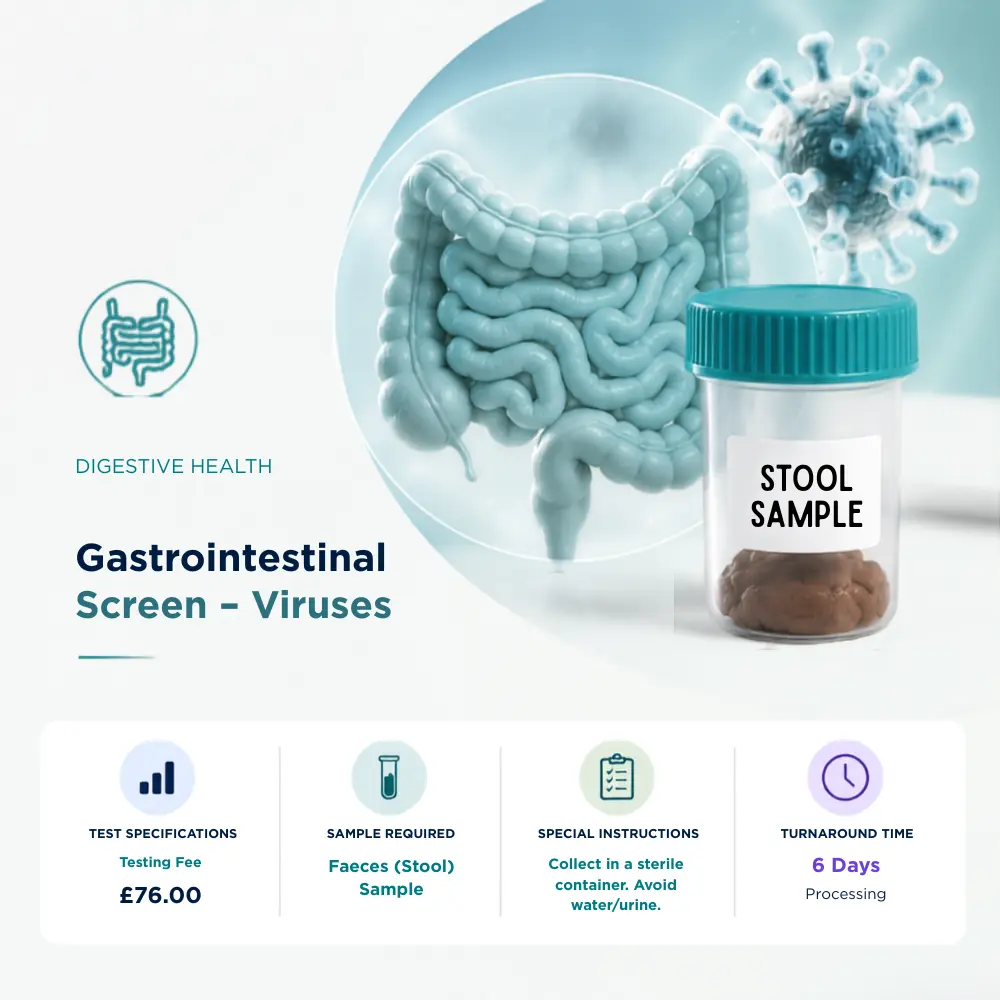
The Gastrointestinal Screen – Viruses (SH24) is an advanced stool PCR test that detects the genetic material of common viral pathogens associated with gastrointestinal infections, including norovirus, rotavirus, and adenovirus. Designed to investigate symptoms such as diarrhoea, vomiting, abdominal pain, and suspected viral gastroenteritis, this test provides rapid and accurate identification of viral causes of digestive illness. Available at Medical Diagnosis Victoria (MDX Victoria) in London, with results typically available within 6 days from a stool sample.
Gastrointestinal Screen – Viruses
This test (SH24) uses advanced PCR technology to detect the genetic material of viral pathogens in a stool sample. It is specifically designed to investigate the root causes of gastrointestinal symptoms such as diarrhoea, vomiting, and abdominal pain by identifying viruses like rotavirus, adenovirus, and norovirus rapidly.
📊 Test Specifications




Why Choose This Test?
Symptom Investigation
This profile provides essential clarity if you are experiencing:
- Unexplained or persistent diarrhoea
- Nausea and acute vomiting
- Severe abdominal pain or cramps
- Suspected viral gastroenteritis
Advanced PCR Technology
PCR analysis directly detects:
- The precise genetic material of the virus
- Multiple strains from a single sample
- High-sensitivity detection of early infections
- Results without relying on slower culture methods
Actionable Insights
This detailed pathogenic view helps you:
- Confirm the specific viral cause of illness
- Prevent unnecessary antibiotic prescriptions
- Support proper clinical evaluation
- Apply appropriate hygiene or isolation measures
Schedule Your Gastrointestinal Screen
Identify the source of your digestive symptoms cleanly and accurately with focused viral stool PCR screening.
Sample Collection Process
This test requires a faeces sample rather than a blood draw. Collect the sample in a sterile container and avoid contamination with urine or toilet water to help ensure accurate PCR analysis. Once collected, you can drop off your secure sample at Medical Diagnosis Victoria for laboratory processing.
What Viruses Are Included?
This PCR profile screens for the genetic material of six common viral causes of gastroenteritis.
Norovirus Strains
Highly contagious viruses commonly known as the winter vomiting bug.
Identifying outbreaks often linked to closed environments, contaminated food, or direct contact.
Common Paediatric & Adult Viruses
Rotavirus and adenovirus can cause diarrhoea and vomiting across different age groups.
Assessing prolonged diarrhoea and vomiting symptoms, especially where hydration needs monitoring.
Additional Viral Pathogens
Additional causes of viral gastroenteritis associated with watery diarrhoea, vomiting, and fever.
Confirming alternative viral causes when standard rotavirus or norovirus testing may be negative.
How PCR Testing Works for Gastroenteritis
PCR directly amplifies and identifies the specific DNA or RNA of viral pathogens. This provides a highly specific and accurate diagnosis from a single stool sample, helping clinicians understand what may be causing your symptoms.
How To Read Your Laboratory Results
Your PCR report will list each of the viral pathogens tested. A detected or positive result means the genetic material of that specific virus was found in your sample. A not detected result means the virus was not identified in the sample.
Results Timeline: Results are typically processed and securely reported within 6 days.
Need Help? Private GP Consultations
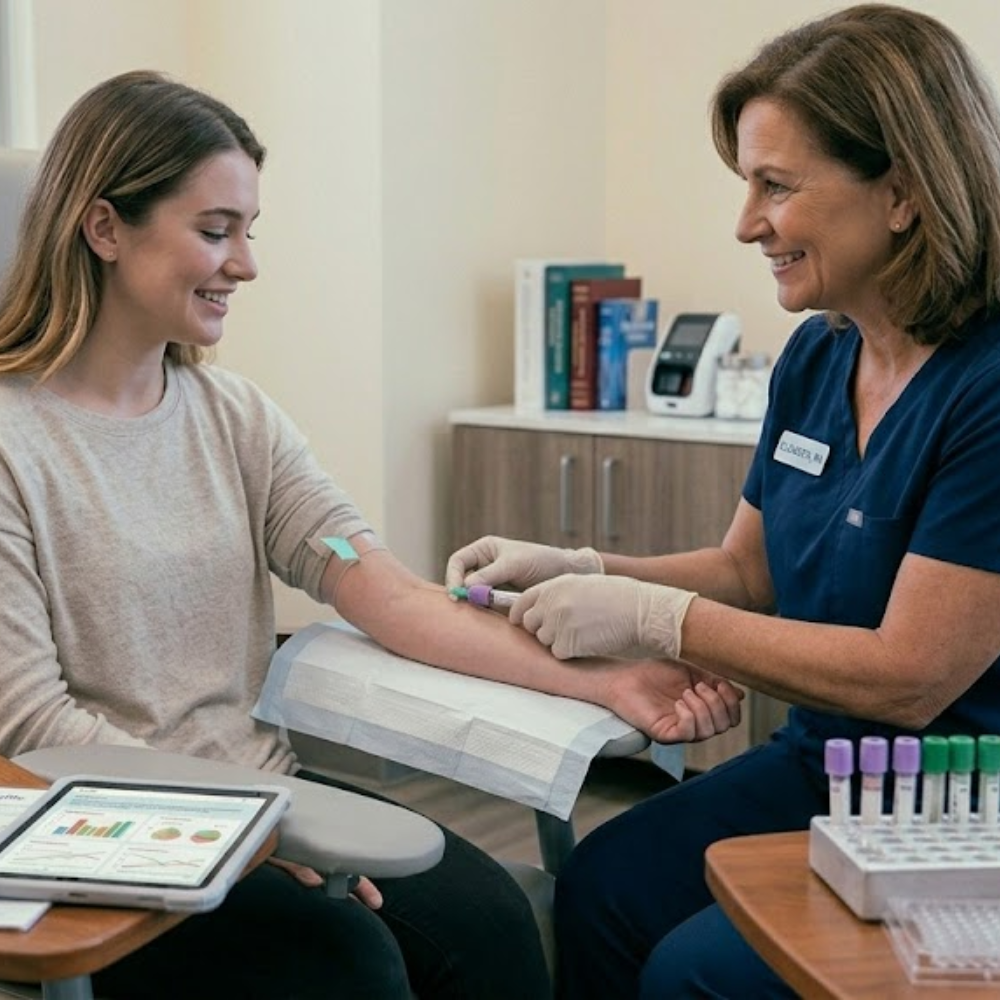
If you have questions about positive viral findings, we offer Private GP consultations. A doctor can review your report, explain your infection, advise on hydration and symptom management, and discuss when it may be safe to return to work or school.
Frequently Asked Questions
Most Searched Online Questions About Viral Gastroenteritis
Related Health Categories
Ready to Isolate Your GI Symptoms?
Take control of your digestive health today. Arrange a precise Gastrointestinal Screen for viral pathogens to guide your recovery.