
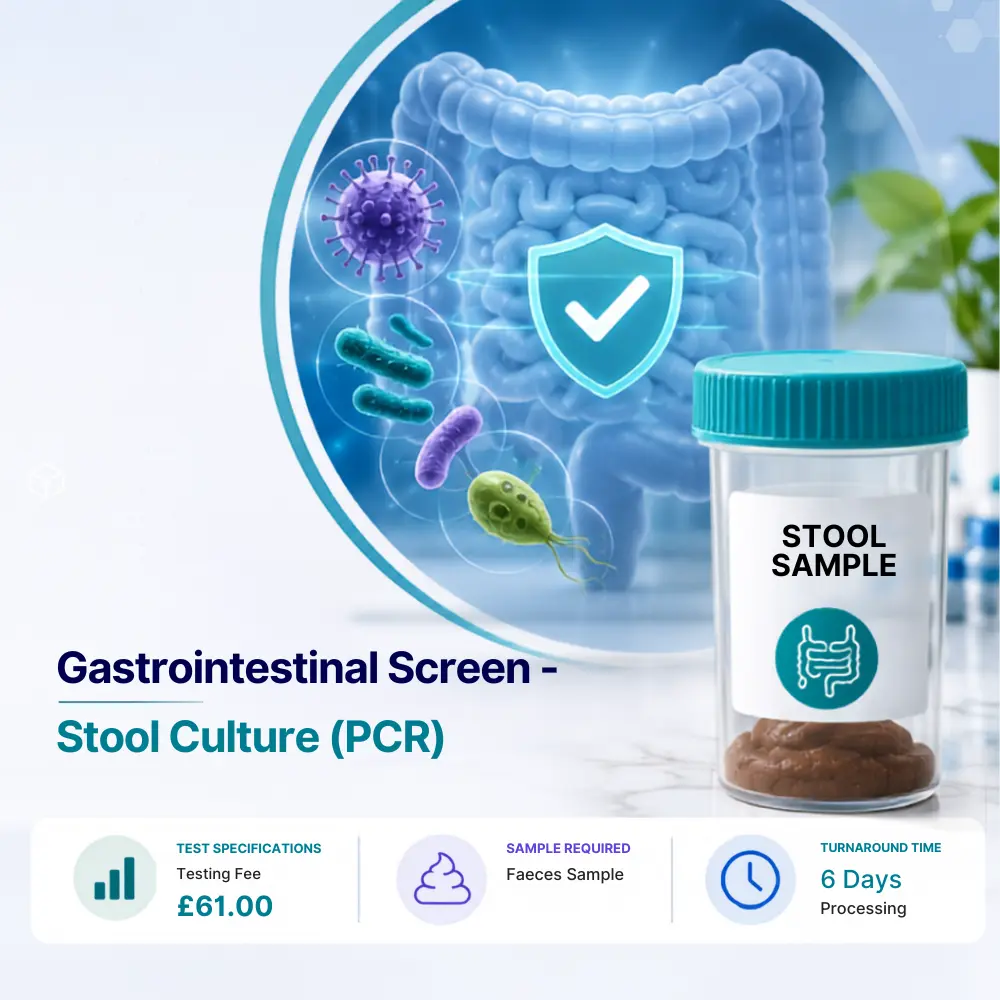
Gastrointestinal Screen – Stool Culture (PCR)
£61.00
The Gastrointestinal Screen – Stool Culture (PCR) is an advanced stool test that uses PCR technology to detect the genetic material of bacterial pathogens and parasitic organisms responsible for gastrointestinal infections. Designed to investigate symptoms such as diarrhoea, abdominal pain, nausea, vomiting, and suspected foodborne or travel-related illness, this test provides rapid and accurate identification of infectious causes of digestive symptoms. Available at Medical Diagnosis Victoria (MDX Victoria) in London, with results typically available within 6 days from a faeces sample.
Gastrointestinal Screen – Stool Culture (PCR)
This test uses advanced PCR technology to detect the genetic material of bacterial pathogens and parasitic organisms in a stool sample. It provides rapid and specific identification of pathogens causing gastrointestinal symptoms, supporting timely diagnosis and targeted treatment.
📊 Test Specifications




Why Choose This Test?
Symptom Investigation
This profile provides essential clarity if you are experiencing:
- Persistent or severe diarrhoea
- Unexplained abdominal pain or cramping
- Suspected food poisoning or gastrointestinal infection
- Symptoms following recent travel
Advanced PCR Technology
PCR testing offers significant advantages over traditional cultures:
- Highly sensitive detection of genetic material
- More rapid results than waiting for cultures to grow
- Specific identification of bacterial strains
- Detects pathogens that may be difficult to culture
Actionable Insights
This detailed internal view empowers you to:
- Precisely identify the cause of GI distress
- Guide doctors toward targeted, effective treatments
- Rule out serious specific bacterial infections
- Take control of your gut health with clear clinical data
Schedule Your Gastrointestinal Screen
Identify the root cause of your digestive symptoms. Order your stool sample collection kit for rapid laboratory analysis today.
How It Works
This test requires a stool sample. Upon ordering, you will be provided with a collection container. You can collect the sample privately at home following the simple instructions provided. Return the sample securely to the laboratory, where the sample will be analysed using PCR technology.
What Pathogens Are Included?
This PCR panel screens for key bacterial strains commonly responsible for gastrointestinal infections.
Common Foodborne Bacteria
Screens for bacteria frequently linked to food poisoning and contaminated water sources.
Identifying leading causes of bacterial gastroenteritis.
Specific E. coli & Shigella Strains
Detects specific strains known to cause more severe intestinal symptoms and potential complications.
Isolating Shiga toxin-producing E. coli and related pathogens.
Understanding PCR Technology
Polymerase Chain Reaction (PCR) is a molecular technique that detects the genetic material (DNA) of specific organisms. Unlike traditional stool cultures that rely on growing bacteria in a lab over several days, PCR directly identifies the unique genetic signatures of pathogens, supporting greater accuracy and faster turnaround times.
How To Read Your Laboratory Results
Your results will indicate whether the genetic material of any tested pathogens was detected in your sample. A “detected” or “positive” result signifies the presence of that organism. A “not detected” or “negative” result means the tested pathogens were not found.
Results Timeline: Results are typically available within 6 days. Once your results are ready, they will be securely shared with you.
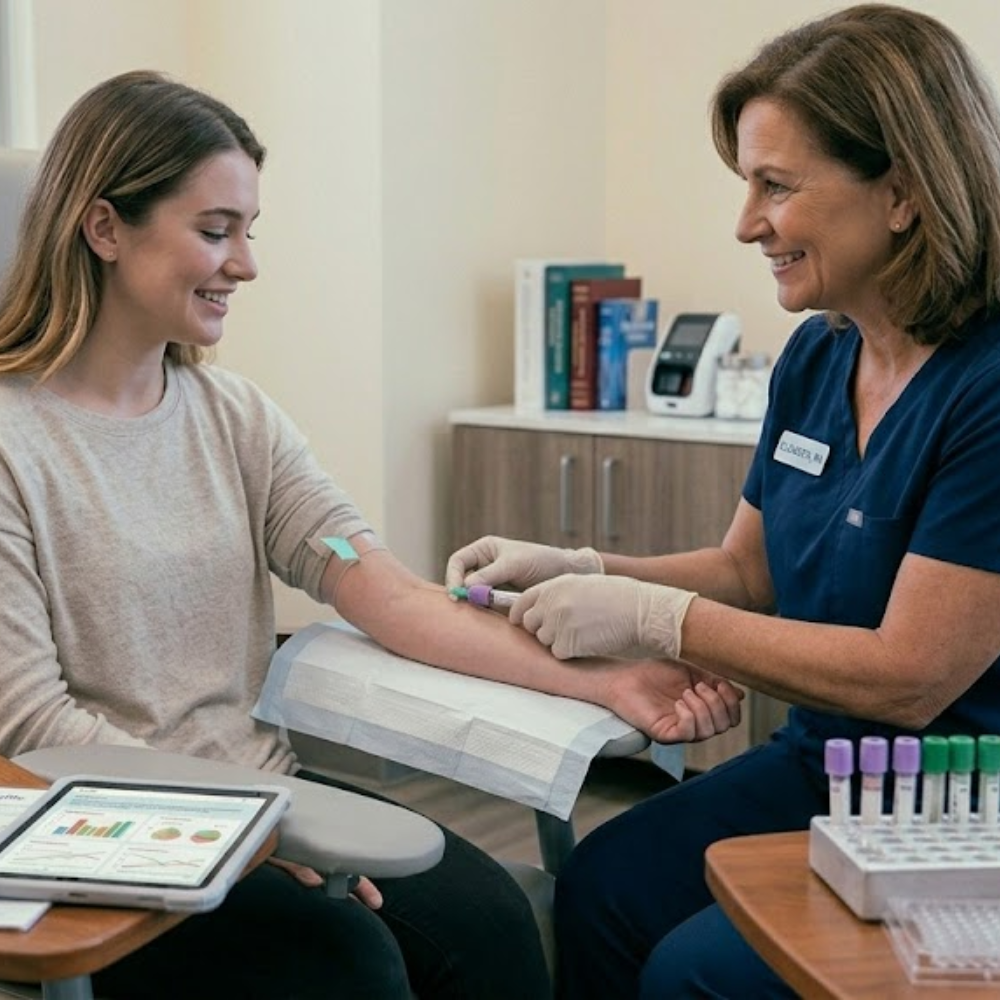
Need Help? Private GP Consultations
If you have questions about your gastrointestinal results, we offer Private GP consultations. A doctor can review your report, explain what the presence of a specific pathogen may mean, and discuss appropriate treatment or follow-up.
Frequently Asked Questions
Most Searched Online Questions About Stool PCR Testing
Related Health Categories
Ready to Investigate Digestive Symptoms?
Order a Gastrointestinal Screen – Stool Culture (PCR) to support rapid identification of common bacterial causes of gastrointestinal infection.