

For some people, a blood test is just a quick appointment. For others, the moment they hear the words “blood test”, their heart starts beating a little faster.
Maybe you do not like looking at needles. Maybe you have had a bad experience before. Or maybe you simply do not like the thought of someone taking blood from your arm.
If that sounds like you, you are definitely not alone. The good news is that knowing exactly what is going to happen at MDX Victoria (Medical Diagnosis Victoria) can make the whole experience feel much easier.
So, let us take a look at what actually happens during a phlebotomy procedure.
What Is Phlebotomy?
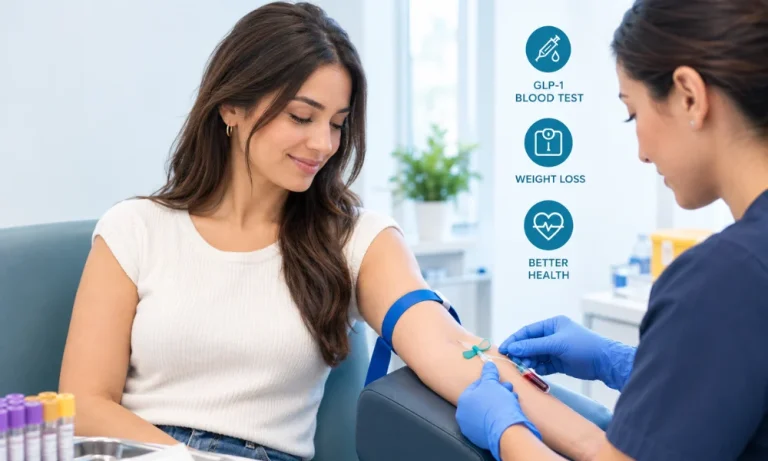
Phlebotomy is simply the process of collecting blood from a vein. The person who collects your blood is called a phlebotomist.
It may sound like a complicated medical word, but the basic idea is quite simple: we collect a small amount of blood so it can be tested in the laboratory. Before we start, the phlebotomist will usually check your details and make sure the correct tests have been requested.
Then comes the part that most people worry about: the needle.
“Is It Going to Hurt?”
This is probably one of the most common questions we hear. The honest answer? You may feel a small sharp scratch or a little pressure when the needle goes in. But it usually lasts only a few seconds.
The needle is used to access a vein and collect the required amount of blood. Once enough blood has been collected, the needle is removed and a small dressing is placed over the area. And that is it.
The whole blood collection can often be over before you have had time to worry about it.
What If I Am Scared of Needles?
This is very important: Please tell us.
You do not have to feel embarrassed about being afraid of needles. Some people feel nervous. Some feel dizzy. Some do not like seeing blood. Others may have a strong fear of needles, sometimes called needle phobia.
There is nothing wrong with telling the person taking your blood. In fact, knowing that you are nervous can help our clinical team make the experience more comfortable for you.
You can simply tell them: “I am scared of needles.” That is enough. You do not have to explain why.
What Can You Do to Make a Blood Test Easier?
There are a few simple things that may help during your visit to our London clinic.
Do Not Watch the Needle
If seeing the needle makes you nervous, simply look away. You can close your eyes, look at your phone, talk to the phlebotomist, or focus on something else in the room.
Tell Us If You Feel Unwell
If you start feeling dizzy, sweaty, sick, or faint, let the phlebotomist know straight away. Do not try to “push through it”. The healthcare team is there to help you.
Take Slow Breaths
When we are frightened, we can sometimes hold our breath without realising it. Try taking slow, comfortable breaths and relax your shoulders. It sounds simple, but sometimes the simplest things help.
Keep Your Arm Relaxed
Try not to tense your arm. A relaxed arm can make the procedure easier and more comfortable.
Remember: You Are in Control. You can always tell the healthcare professional that you are nervous. You can ask questions. You can tell them if you feel unwell. And you can let them know if you need a moment. There is no prize for pretending you are not scared.
What Happens After the Blood Is Taken?
Once the required blood has been collected, the needle is removed and a small dressing is applied.
Your blood samples are then labelled and handled according to the laboratory’s strict procedures before being sent for testing. The blood that was taken may be used to check many different things depending on the tests requested by your healthcare professional.
And your part is finished. You did it.
One Last Thing
If you are nervous about having a blood test, do not spend days imagining the worst. The reality is usually much quicker and simpler than people expect. A few seconds of discomfort can provide information that may be very important for your long-term health.
So the next time you hear “We need to take a blood sample,” remember: You are not the first person to be scared. You will not be the last. And you do not have to hide it.
Tell your phlebotomist. Take a breath. Look away if you need to. And let us help you through it.
Ready to Book Your Appointment?
Do not let fear delay your healthcare. Our compassionate team is highly experienced in helping nervous patients feel at ease
Frequently Asked Questions (FAQs)
Can I bring someone with me to my blood test?
Yes, absolutely. If bringing a friend or family member will help keep you calm and distracted, you are more than welcome to have them with you in the clinic during your appointment.
What should I do if I have a history of fainting during blood tests?
Please let our reception team and your phlebotomist know as soon as you arrive. We can arrange for you to have your blood taken while lying down safely, and we will allow you plenty of time to rest and recover before you leave.
Does drinking water help before a blood test?
Yes! Unless your doctor has specifically instructed you to fast from food and water, drinking plenty of water makes you well-hydrated. This plumps up your veins, making it much easier and faster for the phlebotomist to draw your blood.
Can I discuss my blood test anxiety with a doctor first?
Yes. If you have severe needle phobia, you can book a consultation with our Private GP to discuss your required tests and create a comfort plan before any blood is drawn.