
Gastrointestinal Screen – Helminths
£76.00
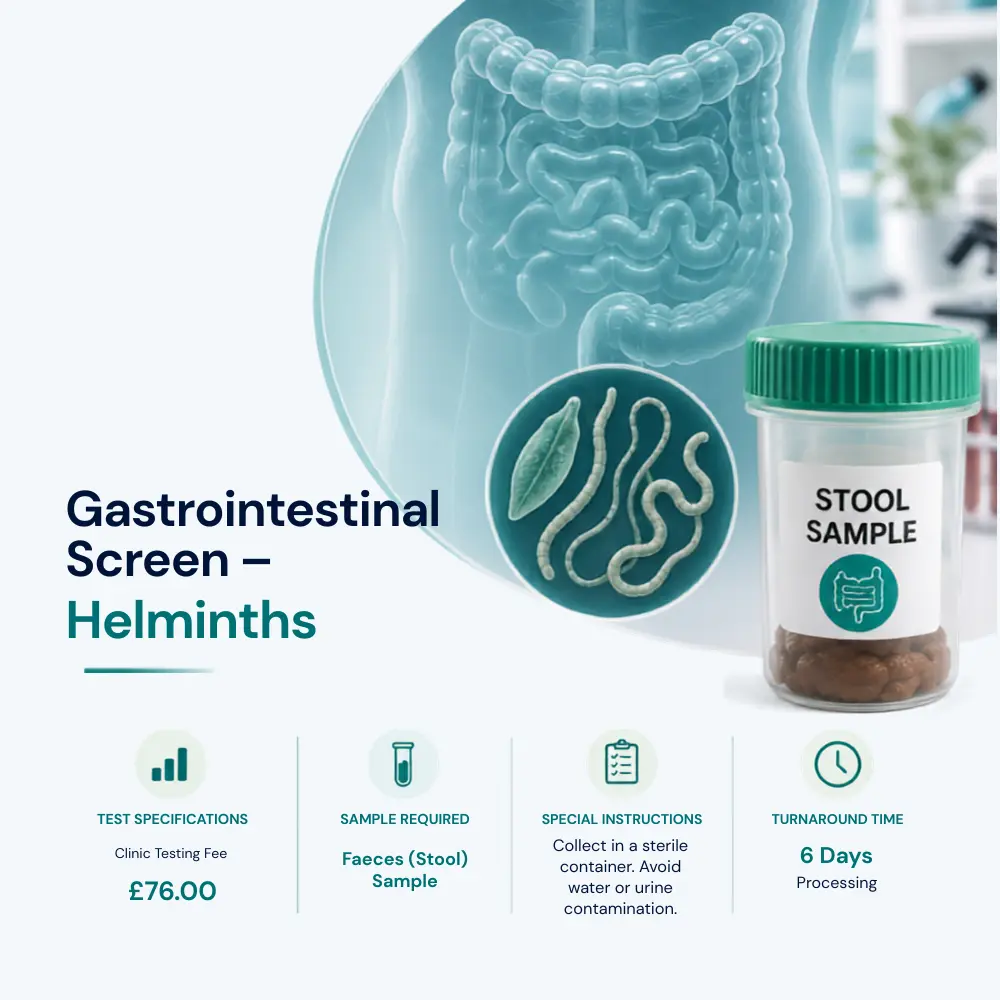
The Gastrointestinal Screen – Helminths (SH26) is an advanced stool PCR test designed to detect the genetic material of parasitic worms (helminths) that can cause intestinal infections. This highly sensitive test supports the investigation of symptoms such as diarrhoea, abdominal pain, digestive discomfort, unexplained gastrointestinal issues, and suspected parasitic worm infections. Available at Medical Diagnosis Victoria (MDX Victoria) in London, the test provides rapid and accurate detection from a stool sample, with results typically available within 6 days.
Gastrointestinal Screen – Helminths
This highly sensitive PCR test (SH26) detects the genetic material of parasitic worms (helminths) in a stool sample. It is utilised to investigate gastrointestinal symptoms, supporting rapid diagnosis, active monitoring, and accurate clinical evaluation of intestinal parasitic infections.
📊 Test Specifications




Why Choose This Test?
Symptom Investigation
This profile provides essential clarity if you are experiencing:
- Persistent abdominal pain or cramping
- Unexplained changes in bowel habits or diarrhoea
- Noticeable or unexplained weight loss
- Gastrointestinal distress after foreign travel
Advanced PCR Detection
PCR testing is far superior to standard microscopy by offering:
- Detection of parasite DNA/genetic material
- Exceptional clinical sensitivity and accuracy
- Identification of 9 specific helminth strains
- Rapid isolation without relying on visual eggs
Actionable Insights
This detailed internal view empowers you to:
- Attain a firm diagnosis for chronic GI issues
- Target infections with precise medications
- Monitor the success of anti-parasitic treatments
- Prevent secondary transmission to household members
Schedule Your Gastrointestinal Screen
Map your digestive health cleanly. Secure your laboratory stool analysis to isolate the exact cause of your gastrointestinal discomfort today.
Sample Collection Guidelines
A faeces (stool) sample is required for this diagnostic array. You will need to collect the sample in a dedicated sterile container provided by the clinic or your doctor. It is essential to avoid contaminating the specimen with urine or toilet water, as this can degrade the genetic material necessary for PCR extraction. Once securely sealed, return the sample to the laboratory promptly for processing.
What Is Included?
This profile uses polymerase chain reaction (PCR) to accurately identify the specific genetic signatures of 9 common intestinal parasites.
Roundworms & Hookworms
Detects genetic material from common soil-transmitted helminths that can inhabit the human intestinal tract.
Identifying species often responsible for malabsorption, abdominal pain, and potential anaemia.
Tapeworms & Pinworms
Evaluates the presence of easily transmissible pinworms and common variations of tapeworms.
Detecting highly contagious household parasites and worms acquired through undercooked foods.
Microsporidia
Assesses intracellular parasites that can cause severe gastrointestinal distress, especially in those with lowered immunity.
Identifying microscopic fungal-related parasites responsible for chronic, unexplained diarrhoea.
The Advantage of PCR Diagnostics
Traditional parasitology relies on physically observing worm eggs or larvae under a microscope, which can easily miss early or light infections. Polymerase Chain Reaction (PCR) technology instead extracts and amplifies the DNA of the organisms directly from the stool. This results in significantly higher sensitivity, meaning the laboratory can detect even microscopic traces of the parasite, leading to a much more accurate and rapid diagnosis.
How To Read Your Laboratory Results
Your PCR results will clearly state whether the genetic material for each specific parasite was Detected or Not Detected within the provided sample. A “Detected” result confirms the presence of the organism’s DNA, strongly indicating an active infection that requires clinical management.
Results Timeline: Profile metrics are typically available within 6 days. Once your results are ready, they will be securely shared with you.
Need Help? Private GP Consultations
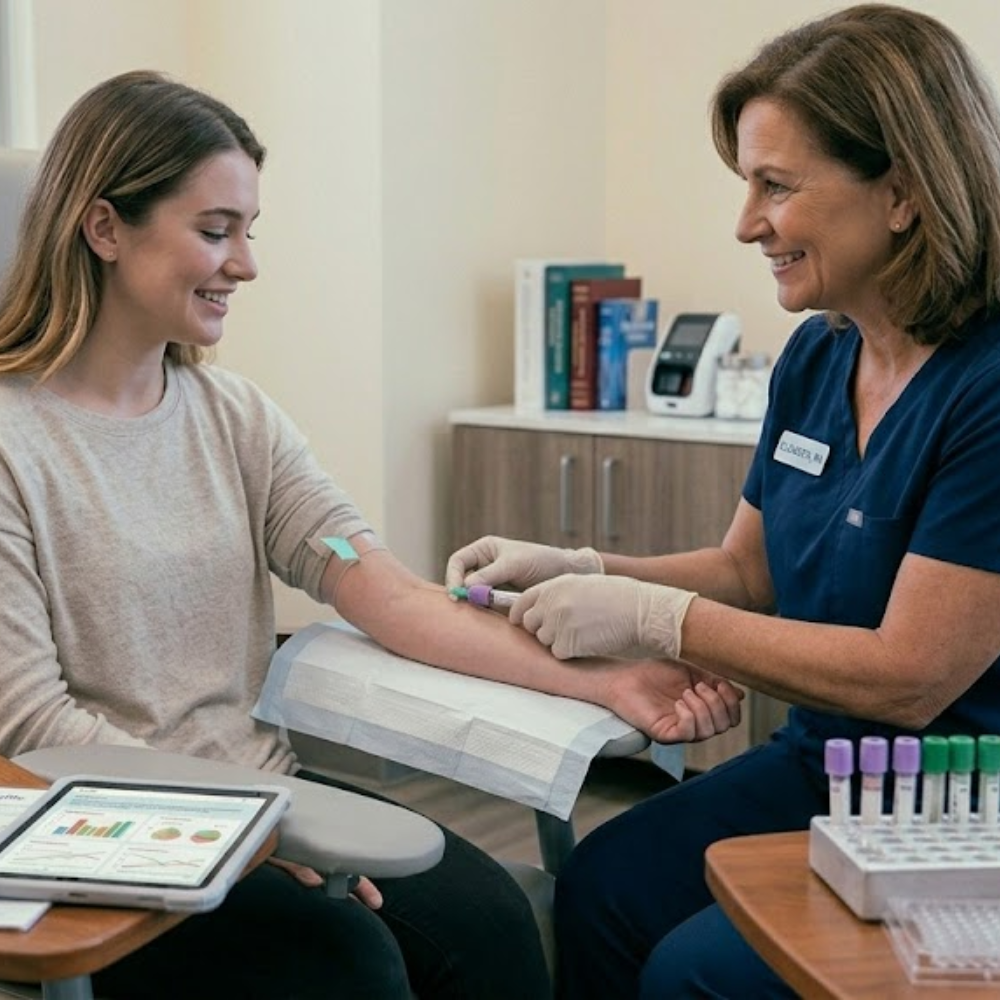
If your stool test detects the presence of helminths, we offer Private GP consultations. A doctor can review your report, discuss your symptoms, and prescribe the appropriate targeted anti-parasitic medications to clear the infection effectively.
Frequently Asked Questions
Most Searched Online Questions About Helminth Infections
Related Health Categories
Ready to Isolate the Cause?
Take immediate control of your digestive health today. Arrange a highly sensitive PCR Gastrointestinal Screen to identify parasitic triggers clearly.