


Coeliac Profile 1
£155.00
Coeliac Profile – Blood Test in London
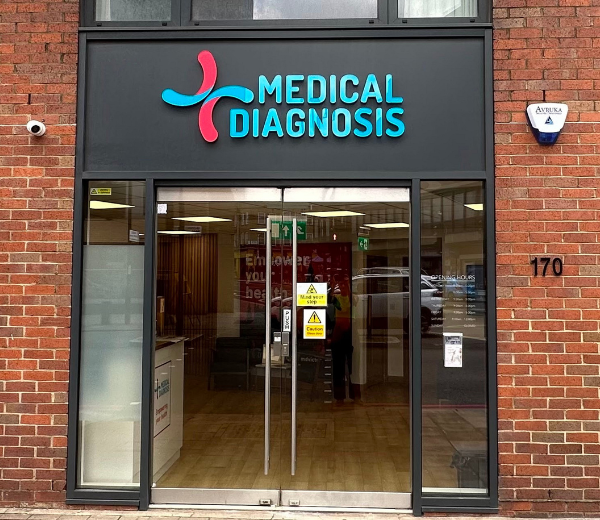
The Coeliac Profile is a specialised blood test designed to help detect coeliac disease, an autoimmune condition triggered by gluten consumption. This comprehensive screening measures key antibodies, including tissue transglutaminase (tTG), endomysial, gliadin, and reticulin antibodies, which can indicate an immune response to gluten and support the diagnosis of coeliac disease. Ideal for individuals experiencing digestive symptoms, unexplained nutritional deficiencies, fatigue, bloating, or suspected gluten sensitivity, this test provides valuable insight into digestive and autoimmune health. Available at Medical Diagnosis Victoria (MDX Victoria) in London, with results typically available within 10 days.
Coeliac Profile
This profile is used to help detect coeliac disease, an autoimmune condition triggered by gluten. It measures several antibodies, including endomysial, reticulin, gliadin, and tissue transglutaminase (tTG), which can indicate an immune reaction to gluten.
📊 Test Specifications




Why Choose This Test?
Symptom Investigation
This profile provides essential clarity if you are experiencing:
- Unexplained digestive discomfort
- Suspected nutrient deficiencies
- Chronic fatigue related to malabsorption
- Symptoms triggered by eating gluten
Comprehensive Biomarkers
It goes beyond a basic check up by combining:
- Tissue Transglutaminase (tTG) IgA
- Endomysial and Reticulin IgA
- Gliadin IgA and IgG markers
- Total Immunoglobulin A baseline
Autoimmune Insights
This detailed internal view empowers you to:
- Support the diagnosis of coeliac disease
- Assess risks associated with family history
- Differentiate between intolerances and autoimmunity
- Take control of your diet with clear clinical data
Schedule Your Coeliac Profile
Map your autoimmune health clearly. Secure an appointment with our clinical team for a rapid, gentle blood draw today.
What Is Included?
This profile provides a comprehensive antibody assessment to identify immune reactions specific to coeliac disease.
Core Coeliac Markers
Evaluates primary antibodies reacting to gluten and ensures baseline immune levels are normal for accurate interpretation.
Detecting the most common immune response to gluten while verifying total IgA to prevent false negatives.
Advanced Antibody Screen
Assesses specific antibodies targeting connective tissues in the intestine, offering high specificity for coeliac diagnosis.
Confirming autoimmune reactions linked directly to intestinal lining damage characteristic of coeliac disease.
Gliadin Assessment
Measures antibodies directed against gliadin, a component of gluten, covering multiple immunoglobulin classes.
Broadening detection accuracy; IgG is especially vital for cases where a patient naturally has low IgA levels.
Understanding Total IgA and IgG Markers
Total Immunoglobulin A (IgA) is measured to ensure accurate interpretation of the tests. If a person is naturally deficient in total IgA, their coeliac specific IgA tests might incorrectly appear normal (a false negative). To prevent this, Gliadin IgG is included specifically to capture autoimmune activity in cases where IgA levels are low.
How To Read Your Laboratory Results
Your results will list your values alongside standard reference ranges. If an antibody level is elevated, it suggests a potential immune reaction to gluten. Elevated markers do not automatically diagnose coeliac disease on their own. Results must be assessed in conjunction with your medical history and clinical examination by a specialist.
Results Timeline: Profile metrics are typically available within 10 days. Once your results are ready, they will be securely shared with you.

Need Help? Private GP Consultations
If you have questions about your results, we offer Private GP consultations. A doctor can review your report, explain what the numbers mean for your specific digestive health, and discuss the best next steps for managing your diet and wellbeing.
Frequently Asked Questions
Most Searched Online Questions About Coeliac Disease
Related Health Categories
Ready to Check Your Digestive Health?
Take immediate control of your health pathway today. Arrange a precise, comprehensive Coeliac Profile screening at our premium clinic spaces.