
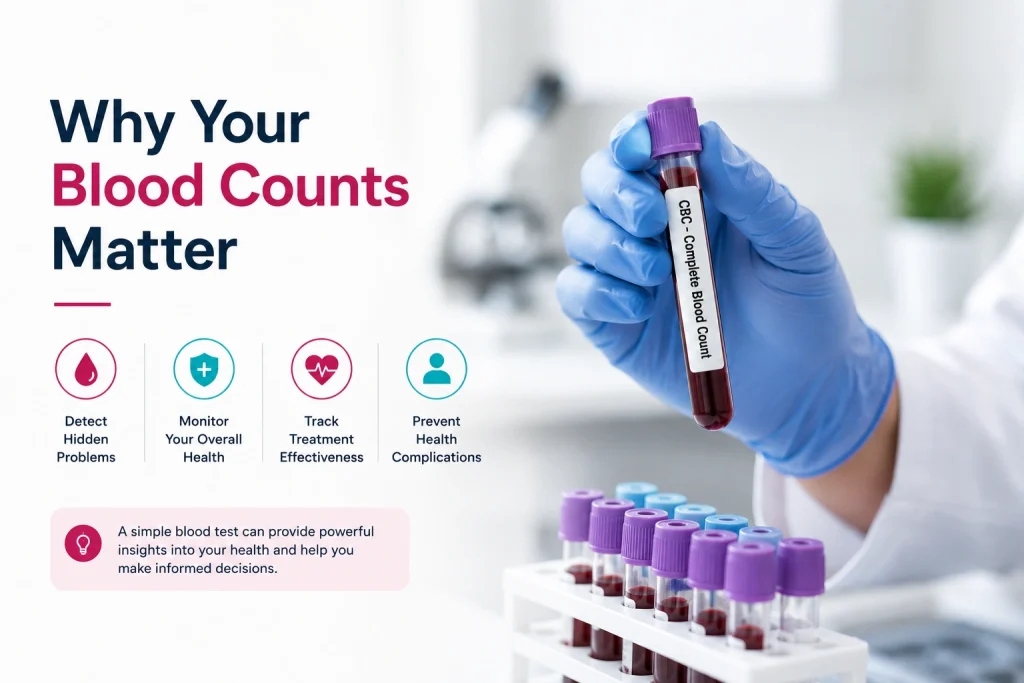
Have you ever wondered what your doctor is actually looking for when they order a full blood count (FBC)? It is far more than a routine laboratory test—it is one of the most important diagnostic tools available for assessing your overall health.
Understanding why your blood counts matter can provide valuable insight into your body’s ability to transport oxygen, fight infections, and maintain normal healing processes. A simple blood test can reveal early signs of anaemia, inflammation, infection, nutritional deficiencies, and other underlying health conditions before symptoms become severe.
At MDX Victoria, our experienced clinicians use comprehensive blood testing to help patients gain a clearer understanding of their health and wellbeing.
Why Your Blood Counts Matter for Overall Health
A full blood count measures several important components of your blood, each performing a vital function within the body.
When discussing why your blood counts matter, it is important to understand the role of these key blood cells.
Red Blood Cells (RBCs)
Red blood cells carry oxygen from your lungs to tissues and organs throughout your body.
A low red blood cell count may indicate:
- Anaemia
- Iron deficiency
- Vitamin B12 deficiency
- Chronic disease
When oxygen delivery is reduced, symptoms such as fatigue, weakness, dizziness, and shortness of breath can occur.
This is one of the primary reasons why your blood counts matter when investigating persistent tiredness and low energy levels.
White Blood Cells (WBCs)
White blood cells form a crucial part of your immune system and help protect the body from infection.
Abnormal white blood cell counts may indicate:
- Viral infections
- Bacterial infections
- Chronic inflammation
- Immune system disorders
Monitoring white blood cell levels helps healthcare professionals identify potential underlying medical issues early.
Platelets
Platelets play a critical role in blood clotting and wound healing.
Abnormal platelet counts may increase the risk of:
- Excessive bleeding
- Easy bruising
- Blood clotting disorders
Understanding platelet levels is another reason why your blood counts matter in maintaining overall health.
Common Symptoms That May Require Blood Testing
Many people assume symptoms such as tiredness and poor concentration are simply part of a busy lifestyle.
However, these symptoms may indicate underlying health concerns that can often be identified through a full blood count.
You should consider blood testing if you experience:
- Persistent fatigue
- Weakness
- Frequent infections
- Dizziness
- Shortness of breath
- Pale skin
- Unexplained bruising
- Brain fog
- Reduced exercise tolerance
Understanding why your blood counts matter can help you recognise when symptoms warrant further investigation.
Blood Testing for Tiredness and Low Energy
One of the most common reasons patients undergo blood testing is unexplained fatigue.
Professional blood testing for tiredness can identify:
- Iron deficiency
- Anaemia
- Vitamin deficiencies
- Thyroid dysfunction
- Chronic inflammation
Rather than guessing the cause of your symptoms, blood tests provide objective evidence that allows healthcare professionals to develop effective treatment plans.
Anaemia Testing in London
Anaemia occurs when the body does not have enough healthy red blood cells or haemoglobin to transport oxygen efficiently.
Common symptoms include:
- Chronic fatigue
- Weakness
- Headaches
- Dizziness
- Shortness of breath
- Poor concentration
Comprehensive anaemia testing in London can identify the underlying cause of anaemia and guide targeted treatment.
This is another important example of why your blood counts matter when assessing overall health and wellbeing.
Iron Deficiency Testing and Nutritional Health
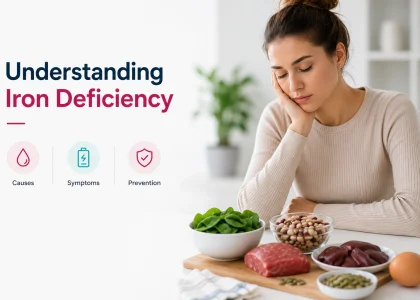
Iron deficiency is one of the most common causes of anaemia worldwide.
Low iron levels may result from:
- Poor dietary intake
- Heavy menstrual bleeding
- Digestive disorders
- Chronic blood loss
Comprehensive iron deficiency testing typically includes:
- Ferritin levels
- Iron studies
- Haemoglobin measurement
- Full blood count
These tests help identify deficiencies before they significantly affect quality of life.
Understanding nutritional status is another key reason why your blood counts matter for long-term health.
Why Routine Blood Monitoring Is Important
Many health conditions develop gradually and may not produce obvious symptoms during their early stages.
Regular blood testing can help detect:
- Anaemia
- Infections
- Nutritional deficiencies
- Inflammatory conditions
- Blood disorders
- Chronic disease markers
Routine monitoring allows for earlier intervention and more effective treatment.
When patients understand why your blood counts matter, they often become more proactive about preventative healthcare.
How MDX Victoria Can Help
At MDX Victoria, we offer comprehensive blood testing services designed to provide fast, accurate, and clinically meaningful results.
Our services include:
- Full Blood Count (FBC)
- Anaemia testing
- Iron deficiency testing
- Nutritional assessments
- General health screenings
- Private GP consultations
Our experienced healthcare professionals provide personalised guidance based on your results, helping you make informed decisions about your health.
Take Control of Your Health Today
Understanding why your blood counts matter is one of the most important steps you can take toward protecting your long-term health.
A simple blood test can reveal valuable information about your body’s ability to function efficiently and identify potential health concerns before they become serious.
If you are experiencing fatigue, frequent illness, unexplained symptoms, or simply want reassurance about your health, comprehensive blood testing can provide the answers you need.
At MDX Victoria, we make blood testing simple, convenient, and clinically focused, helping you gain clarity and confidence about your health.
Frequently Asked Questions
What does a full blood count test check?
A full blood count measures red blood cells, white blood cells, platelets, haemoglobin levels, and several other important markers that help assess overall health.
Can a blood test explain tiredness?
Yes. Blood testing for tiredness can identify anaemia, iron deficiency, vitamin deficiencies, thyroid disorders, and inflammation that may contribute to fatigue.
How often should I have my blood counts checked?
This depends on your age, medical history, symptoms, and risk factors. Your GP can advise on an appropriate testing schedule.
Why do blood counts matter?
Blood counts provide essential information about oxygen transport, immune function, blood clotting, nutritional status, and overall health, helping detect conditions early and guide treatment.
References
- NHS. Full Blood Count (FBC) Testing.
- British Society for Haematology.
- National Institute for Health and Care Excellence (NICE).
- NHS England: Anaemia and Iron Deficiency Guidance.