
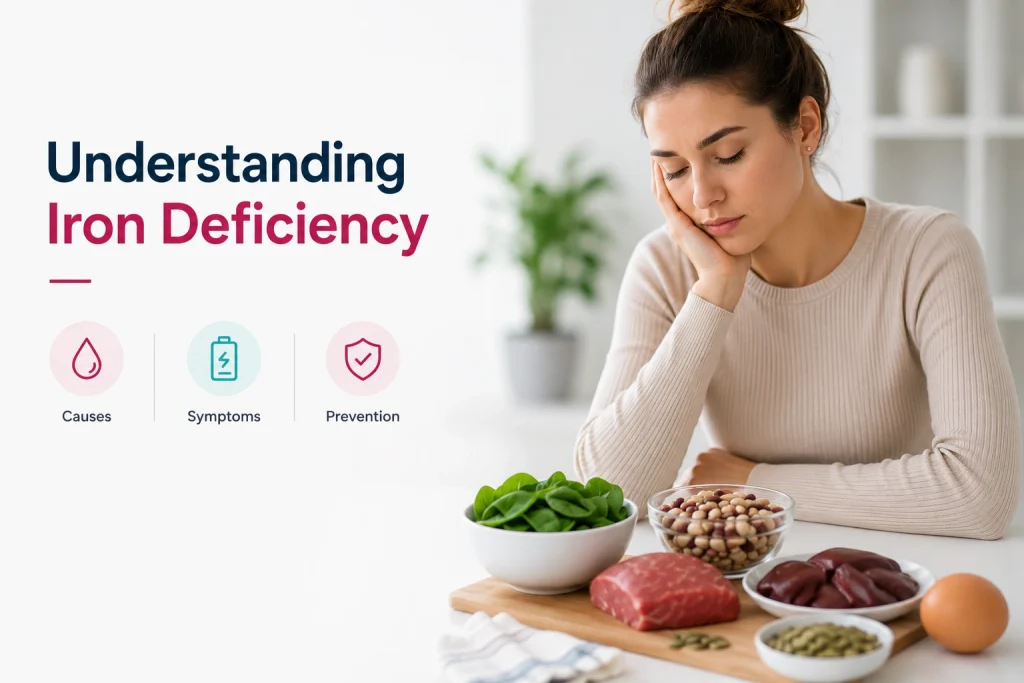
If you frequently feel tired, weak, lightheaded, or struggle to concentrate, your body may be signalling an underlying nutritional deficiency. Understanding iron deficiency is essential because it is one of the most common nutritional disorders worldwide, affecting millions of people every year.
Although iron deficiency is highly treatable, many people dismiss its symptoms as stress, poor sleep, or a busy lifestyle. Early diagnosis and appropriate treatment can significantly improve your energy levels, overall health, and quality of life.
At MDX Victoria, we provide comprehensive blood testing and diagnostic services to help identify iron deficiency and other causes of fatigue quickly and accurately.
Understanding Iron Deficiency: What Is It?
Understanding iron deficiency begins with understanding the role of iron in the body.
Iron is an essential mineral that helps produce haemoglobin, a protein found in red blood cells. Haemoglobin carries oxygen from the lungs to tissues and organs throughout the body.
When iron levels become too low, the body cannot produce enough healthy red blood cells. This reduces oxygen delivery to muscles, organs, and the brain, leading to symptoms that can significantly affect daily life.
In more advanced cases, iron deficiency can progress to iron deficiency anaemia, a condition that requires medical assessment and treatment.
Why Iron Is Important for Your Health
Iron plays several important roles within the body, including:
- Oxygen transportation
- Energy production
- Immune system support
- Cognitive function
- Muscle performance
- Healthy cell growth
This is why understanding iron deficiency is so important for maintaining physical and mental wellbeing.
Without sufficient iron, the body’s ability to function efficiently becomes compromised.
Common Symptoms of Iron Deficiency
Recognising the warning signs is a key part of understanding iron deficiency and seeking timely medical attention.
Extreme Fatigue
Persistent tiredness is one of the most common symptoms of iron deficiency.
People often describe:
- Constant exhaustion
- Low energy levels
- Difficulty completing daily tasks
- Reduced exercise tolerance
Pale Skin
Low haemoglobin levels may cause the skin to appear noticeably paler than usual.
Shortness of Breath
When oxygen delivery decreases, activities such as walking upstairs or exercising may become more difficult.
Dizziness and Lightheadedness
Reduced oxygen supply to the brain can contribute to dizziness, headaches, and feelings of faintness.
Hair Loss and Brittle Nails
Iron deficiency may affect hair growth and nail strength, particularly when deficiencies persist for extended periods.
Poor Concentration
Many individuals report brain fog, memory issues, and difficulty concentrating.
Understanding these symptoms is an important aspect of understanding iron deficiency and recognising when professional testing may be necessary.
What Causes Iron Deficiency?
Several factors can contribute to iron deficiency.
Common causes include:
Inadequate Dietary Intake
Not consuming enough iron-rich foods may lead to reduced iron stores over time.
Iron-rich foods include:
- Red meat
- Poultry
- Fish
- Lentils
- Beans
- Spinach
- Fortified cereals
Heavy Menstrual Bleeding
Women with heavy menstrual periods are at increased risk of iron deficiency.
Pregnancy
Iron requirements increase significantly during pregnancy due to increased blood volume and fetal development.
Digestive Conditions
Conditions that affect nutrient absorption may contribute to iron deficiency.
Examples include:
- Coeliac disease
- Inflammatory bowel disease
- Gastric surgery
Chronic Blood Loss
Ongoing blood loss from the gastrointestinal tract or other medical conditions may gradually deplete iron stores.
Identifying the underlying cause is a crucial part of understanding iron deficiency and developing an effective treatment plan.
Why Professional Iron Deficiency Testing Matters
Many people assume they have low iron levels and begin taking supplements without medical advice.
However, self-diagnosis can be misleading.
Symptoms associated with iron deficiency may also occur in conditions such as:
- Vitamin B12 deficiency
- Folate deficiency
- Thyroid disorders
- Chronic fatigue syndrome
- Stress-related conditions
Professional iron deficiency testing provides an accurate assessment of your iron status and overall health.
What Does Iron Deficiency Testing Include?
Comprehensive iron deficiency testing may involve:
Full Blood Count (FBC)
A Full Blood Count evaluates:
- Red blood cells
- Haemoglobin
- Haematocrit
- Mean corpuscular volume (MCV)
Ferritin Test
Ferritin measures the body’s stored iron levels and is often the most sensitive indicator of iron deficiency.
Iron Studies
These tests assess:
- Serum iron
- Transferrin
- Transferrin saturation
- Total iron-binding capacity (TIBC)
Together, these investigations provide a complete picture of iron status and are essential for understanding iron deficiency accurately.
Blood Testing for Tiredness
Fatigue is one of the most common reasons patients seek medical advice.
Professional blood testing for tiredness helps identify potential causes, including:
- Iron deficiency
- Anaemia
- Vitamin deficiencies
- Thyroid dysfunction
- Chronic inflammation
Rather than relying on assumptions, blood tests provide clear diagnostic answers and guide effective treatment strategies.
Anaemia Testing in London
If iron deficiency progresses, it can develop into iron deficiency anaemia.
Comprehensive anaemia testing in London allows healthcare professionals to:
- Confirm diagnosis
- Determine severity
- Identify underlying causes
- Monitor treatment response
Early diagnosis often leads to faster symptom improvement and better long-term outcomes.
How MDX Victoria Can Help
At MDX Victoria, we offer comprehensive diagnostic services designed to help patients identify the causes of fatigue, low energy, and other health concerns.
Our services include:
- Iron deficiency testing
- Anaemia testing
- Full Blood Count (FBC)
- Ferritin testing
- Nutritional assessments
- Private GP consultations
- General health screenings
Our experienced clinicians provide personalised care and evidence-based recommendations tailored to your individual health needs.
Take Control of Your Health Today
Understanding iron deficiency is the first step toward improving your health and restoring your energy levels.
If you are experiencing persistent fatigue, dizziness, shortness of breath, or other symptoms associated with low iron, professional testing can provide the answers you need.
At MDX Victoria, our expert team is committed to helping patients achieve diagnostic clarity through accurate testing and personalised healthcare.
Don’t allow undiagnosed iron deficiency to affect your quality of life. Early detection and treatment can make a significant difference to your wellbeing.
Frequently Asked Questions
What are the first signs of iron deficiency?
Common early signs include fatigue, weakness, pale skin, dizziness, headaches, and reduced concentration.
How is iron deficiency diagnosed?
Iron deficiency is diagnosed using blood tests including a Full Blood Count, ferritin levels, and iron studies.
Can iron deficiency cause tiredness?
Yes. Fatigue is one of the most common symptoms because low iron levels reduce oxygen delivery throughout the body.
Should I take iron supplements without testing?
No. Taking iron supplements without medical confirmation can be harmful. Professional testing should always be performed before starting treatment.
References
- NHS. Iron Deficiency Anaemia Overview.
- British Society for Haematology.
- National Institute for Health and Care Excellence (NICE).
- World Health Organization (WHO). Anaemia and Iron Deficiency Guidelines.